


Imagine waking up one morning to find free cryptocurrency tokens waiting in your digital wallet — tokens you earned simply by signing up for a platform or completing a few small tasks. This is exactly what a crypto airdrop is, and it happens every single day around the world.
But here is the honest truth: not every airdrop you see online is real. Many are scams designed to steal your wallet details or personal information. For beginners, especially those just getting started with crypto in Kenya, this can feel overwhelming and risky.
That is why this guide focuses on how to find legit crypto airdrops for beginners — using simple, safe, and practical steps that anyone can follow, whether you are in Nairobi, Mombasa, or any other part of Kenya. By the end, you will know exactly where to look, what to avoid, and how to protect yourself while earning free crypto.
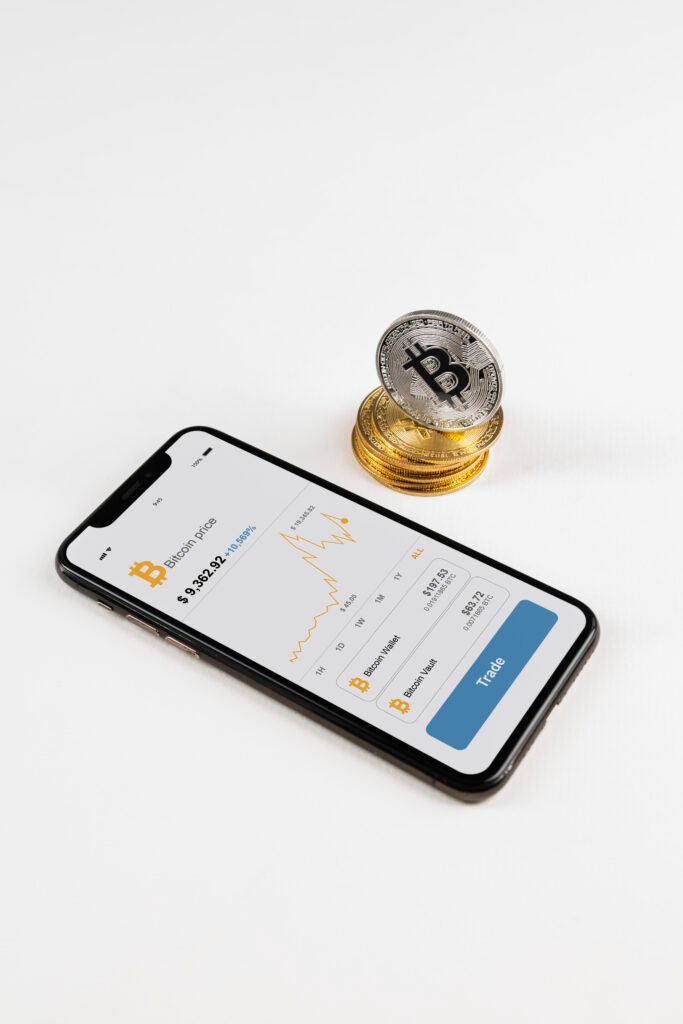
What Is a Crypto Airdrop?
A crypto airdrop is when a blockchain project distributes free tokens or coins directly to users’ wallets. Projects do this for several reasons: to build awareness, reward early supporters, grow their community, or distribute governance rights so that users have a say in the project’s future.
Think of it like a product launch promotion. A new company might give free samples to attract customers. In the crypto world, new projects do the same thing — they give away free tokens to get people interested and engaged.
In 2026, airdrops have become more sophisticated. Instead of simply handing out tokens to anyone, projects now use points systems, on-chain activity tracking, and task-based rewards to identify genuine users. This makes it even more important for beginners to know exactly how to find legit crypto airdrops for beginners — and to approach them strategically.
Step-by-Step Guide: How to Find Legit Crypto Airdrops for Beginners
Step 1: Set Up a Secure Crypto Wallet
Before you can receive any airdrop, you need a crypto wallet. A wallet is simply a digital address where your tokens will be sent. For most airdrops, you will need a non-custodial wallet — meaning you are in full control of your private keys.
The most popular beginner-friendly wallets include:
- MetaMask — works well for Ethereum-based airdrops (browser extension + mobile app)
- Phantom Wallet — ideal for Solana-based airdrops
- Trust Wallet — a simple mobile wallet that supports many blockchains
Important tip for Kenyan users: You can set up any of these wallets for free. They do not require a bank account or M-Pesa. All you need is a smartphone or laptop and an internet connection.
Step 2: Use Trusted Airdrop Listing Websites
The easiest way to find legitimate airdrops is through established, well-known listing websites. These platforms review and list ongoing and upcoming airdrops so you do not have to search randomly on social media.
Some of the most reliable sites include:
- CoinGecko Airdrops — one of the most trusted crypto data platforms in the world
- AirdropBuzz — scores airdrops by legitimacy and cost
- CoinMarketCap Airdrops — another globally trusted crypto resource
These platforms do basic vetting for you. However, you should still do your own research before participating in any airdrop listed there.
Step 3: Follow Official Project Channels
Once you find an airdrop you are interested in, always verify it through the project’s official channels before doing anything else. This is one of the most critical steps in learning how to find legit crypto airdrops for beginners.
Check the following:
- Official website — look for a professional, well-designed site with a clear team page
- Official Twitter/X account — check for a blue or gold verification badge
- Official Discord or Telegram — linked directly from the official website, not from a random post
- GitHub repository — legitimate crypto projects usually have public code on GitHub
If you cannot verify the project through at least three of these channels, do not participate.
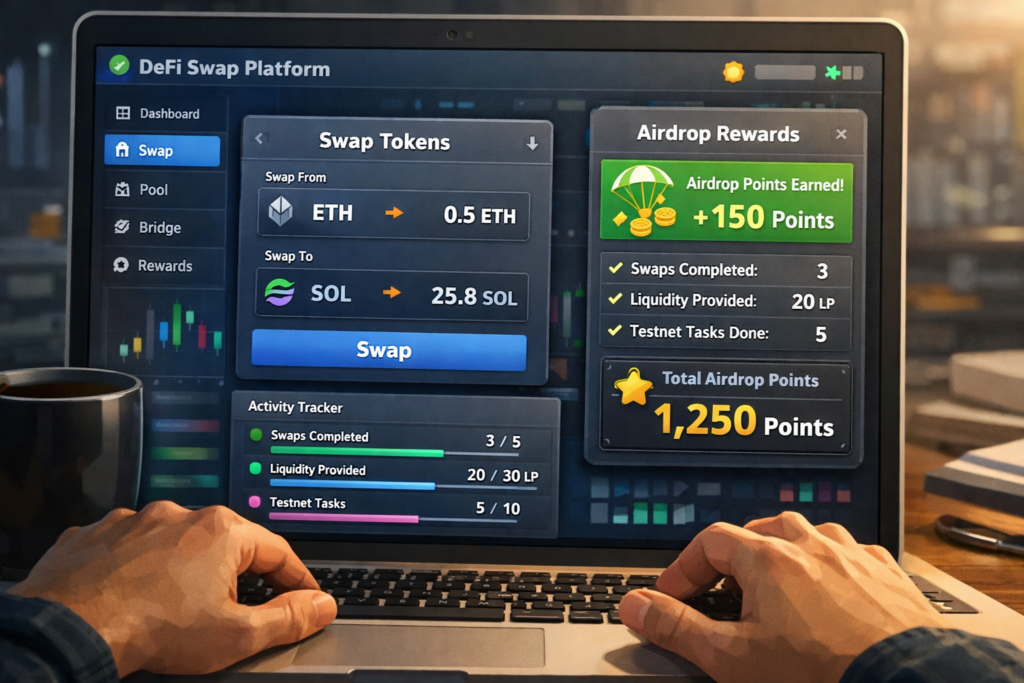
Step 4: Complete On-Chain Tasks to Qualify
Most legitimate airdrops in 2026 require you to actually use the product, not just sign up. This is called an activity-based airdrop, and it is designed to reward real users rather than bots.
Common tasks that help you qualify include:
- Swapping tokens on the project’s decentralized exchange
- Bridging assets from one blockchain to another using the project’s bridge
- Providing liquidity to the project’s liquidity pool
- Participating in governance by voting on proposals
- Testing features on the project’s testnet (usually completely free)
For Kenyan beginners: Start with testnets. These are practice networks where you use fake tokens — meaning there is zero financial risk. It is the best way to learn and still qualify for a real airdrop when the project launches.
Step 5: Join the Community and Stay Active
Many projects reward users who engage with their community. This can include joining a Discord server, participating in discussions, voting in polls, or referring friends. While community tasks alone rarely guarantee a large airdrop, they often boost your points multiplier alongside your on-chain activity.
Set up a dedicated email address for airdrop-related signups to keep your main inbox clean and reduce spam.
Step 6: Keep Track of Your Airdrop Activities
As you start participating in multiple airdrops, it becomes easy to lose track of which wallets you used, which tasks you completed, and when snapshot dates are. A snapshot is the date when the project takes a record of all eligible wallets.
Use a simple spreadsheet to track:
- The name of the project
- Your wallet address used
- Tasks you completed
- Snapshot date (if known)
- Estimated token launch date
This habit will save you a lot of confusion when tokens are eventually distributed.
Tips to Stay Safe: How to Spot Airdrop Scams
Understanding how to find legit crypto airdrops for beginners also means knowing how to spot fake ones. Crypto scammers specifically target beginners because they know that new users are less aware of the warning signs.
Here are the biggest red flags to watch for:
| 🚨 RED FLAGS — AVOID THESE AIRDROPS They ask for your private key or seed phrase — NEVER share this with anyone, everYou are required to send crypto first to receive the airdrop — this is always a scamThe airdrop was announced only through a DM on Telegram or TwitterThe project website is brand new (less than a few weeks old) with no team informationPromises of thousands of dollars for doing almost nothing — if it sounds too good to be true, it is |
| ✅ SAFETY BEST PRACTICES Use a separate ‘airdrop wallet’ with small amounts — never use your main walletRevoke smart contract permissions after completing tasks (use revoke.cash)Never connect your wallet to suspicious websitesStore your seed phrase offline — written on paper, kept in a safe placeDouble-check URLs — scammers create fake sites that look almost identical to real ones |
Crypto Airdrops in Kenya: What You Need to Know
Kenya has one of the most active crypto communities in Africa. According to data from Chainalysis, Kenya consistently ranks among the top countries globally for crypto adoption. This means that as a Kenyan, you are actually well-positioned to benefit from airdrops.
Here are a few Kenya-specific points to keep in mind:
- Taxation: The Kenya Revenue Authority (KRA) considers cryptocurrency a taxable asset. Free tokens received through airdrops may be treated as income. It is wise to consult a tax professional or check the latest guidance from KRA’s official website.
- Internet access: Stable internet is essential for on-chain tasks. If you use mobile data, a budget plan from Safaricom or Airtel works fine for most airdrop tasks.
- Local exchanges: Once you earn tokens from airdrops, you can convert them to KES (Kenyan Shilling) using local exchanges like Binance P2P or platforms that support M-Pesa withdrawals.
- Regulations: Always stay updated on crypto regulations in Kenya. The Capital Markets Authority (CMA) and the Central Bank of Kenya (CBK) periodically release new guidance. Visit CMA Kenya’s website for official updates.
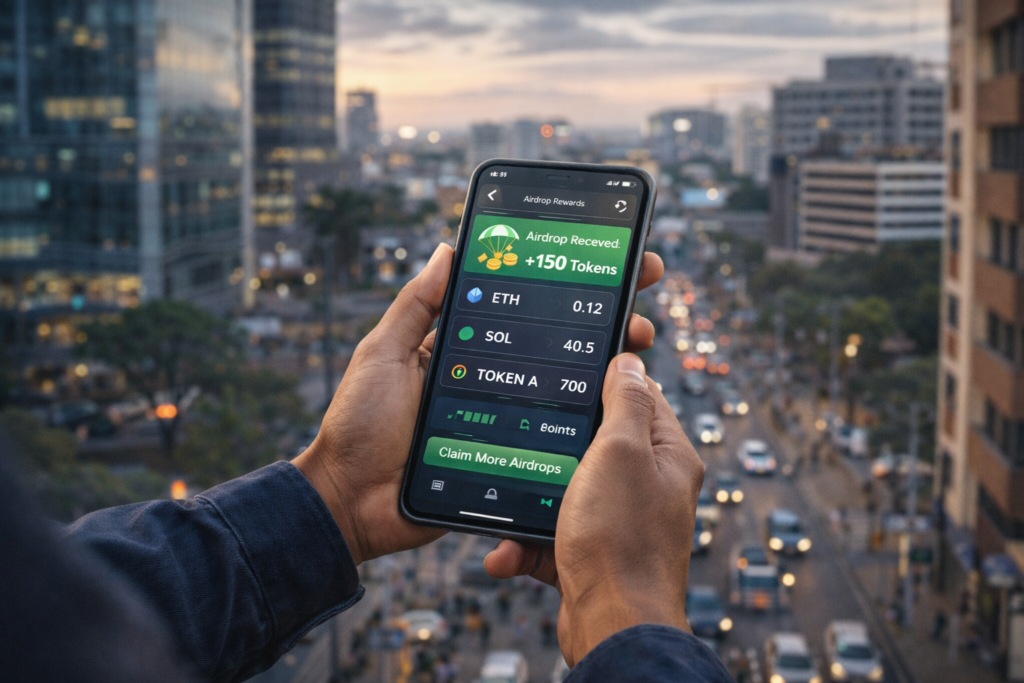
Best Practices for Maximising Airdrop Rewards
Once you have mastered how to find legit crypto airdrops for beginners, here are some practical tips to maximise your potential rewards:
- Start early: The biggest airdrops typically reward users who interacted with a protocol before it was well-known. Join testnets and new protocols while they are still early.
- Be consistent: Many projects look at transaction frequency, not just volume. Making small, regular transactions is often better than one large transaction.
- Diversify across chains: Do not focus only on Ethereum. Solana, Base, and other Layer 2 networks have active airdrop ecosystems with lower transaction fees.
- Follow reputable crypto news sources: Stay informed through sites like CoinDesk and CoinTelegraph for announcements about upcoming airdrops.
- Never overinvest: The best airdrops are free to participate in. If a project is asking you to invest significant amounts of capital to qualify, be extremely cautious.
Conclusion
Finding and claiming legitimate crypto airdrops is one of the most exciting ways to get started in the world of cryptocurrency — especially if you want to earn crypto without spending money upfront. The key is patience, consistency, and always prioritising your security.
Now that you understand how to find legit crypto airdrops for beginners, the next step is to take action. Set up your wallet today, bookmark the trusted airdrop listing sites mentioned in this guide, and start participating in testnets. Remember: the best opportunities usually go to those who are prepared before everyone else arrives.
Whether you are a student in Nairobi, a freelancer in Kisumu, or just someone curious about crypto from anywhere in Kenya — airdrops are a genuine, accessible way to participate in the global crypto economy. Stay safe, do your research, and enjoy the journey.
| 📌 Bookmark This Article & Share With a Friend! The crypto space moves fast. Save this guide and revisit it as you grow your airdrop farming skills. |
Trusted External Resources
- CoinGecko — Global Crypto Data & Airdrop Listings
- CoinMarketCap Airdrop Section
- Kenya Revenue Authority — Tax Guidance
- Capital Markets Authority Kenya — Crypto Regulations
- Chainalysis Crypto Adoption Index
Frequently Asked Questions (FAQs)
Q1: What exactly is a crypto airdrop?
A crypto airdrop is when a blockchain project sends free tokens directly to users’ wallets, usually to reward early adopters, grow its community, or encourage people to use its platform.
Q2: Do I need money to participate in crypto airdrops?
Most legitimate airdrops are free to join. However, some on-chain tasks may require small gas fees (transaction fees on the blockchain). Starting with testnets — which are completely free — is a great way for beginners to get started with zero cost.
Q3: Is it safe to participate in crypto airdrops in Kenya?
Yes, it can be safe — as long as you stick to verified projects, use a separate airdrop wallet, and never share your seed phrase or private keys. Always cross-check projects through their official websites and social media channels.
Q4: How do I know if an airdrop is legit or a scam?
Legitimate airdrops never ask for your private key or seed phrase, never require you to send crypto first, and are always announced through official, verified project channels. If something feels off, always walk away.
Q5: Which wallet should a complete beginner use for airdrops?
MetaMask is the most widely supported wallet for Ethereum-based airdrops, while Phantom Wallet works well for Solana airdrops. Trust Wallet is a great all-in-one mobile option for beginners.
Q6: Are crypto airdrops taxed in Kenya?
The Kenya Revenue Authority (KRA) treats cryptocurrency as a taxable asset. Tokens received through airdrops may be classified as income. It is recommended to consult a tax professional and check the latest guidance directly on the KRA website.
Q7: What is a testnet airdrop?
A testnet is a practice version of a blockchain where developers test their projects using fake tokens. Participating in testnet activities is free and carries no financial risk, but can qualify you for a real airdrop when the project officially launches.
Q8: How many airdrops should a beginner participate in at once?
Starting with two to three airdrops at a time is manageable for beginners. As you get more comfortable with the process, you can gradually increase the number of projects you follow and engage with.
Q9: Can I participate in airdrops using a mobile phone?
Yes. Most airdrop tasks can be done on a mobile phone using apps like Trust Wallet, Phantom Mobile, or MetaMask Mobile. However, some tasks — such as interacting with certain DeFi platforms — may be easier on a desktop browser.
Q10: How long does it take to receive airdrop tokens after qualifying?
It varies by project. Some airdrops distribute tokens immediately, while others distribute weeks or even months after the snapshot date. Following the project’s official channels is the best way to stay updated on token distribution timelines.